01
Molecular inventory
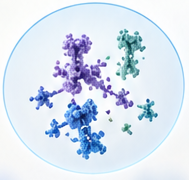
A scientific framework to understand how the spatial organization of molecules, membranes, and interfaces participates in biological function, in health and disease.
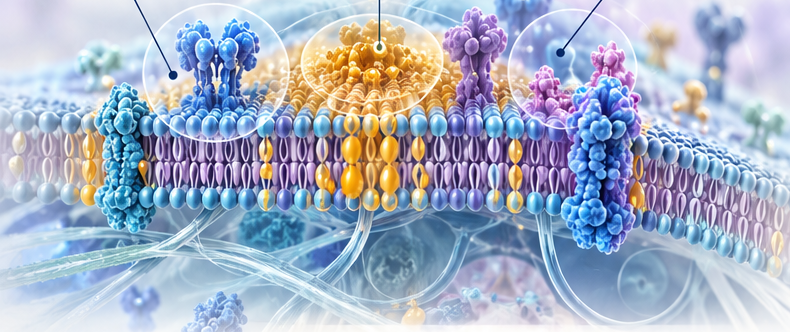
An integrative approach to understand the organization of life.
Microdomain Science studies how molecules, membranes, and interfaces organize and how those relationships link to biological function.
It connects membrane biology, biophysics, immunology, mechanobiology, and systems biology through measurable questions about position, proximity, mobility, and time.
Explore the fundamentals →
Four coordinates to connect components, relationships, and function.
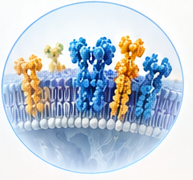
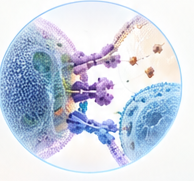
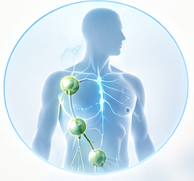
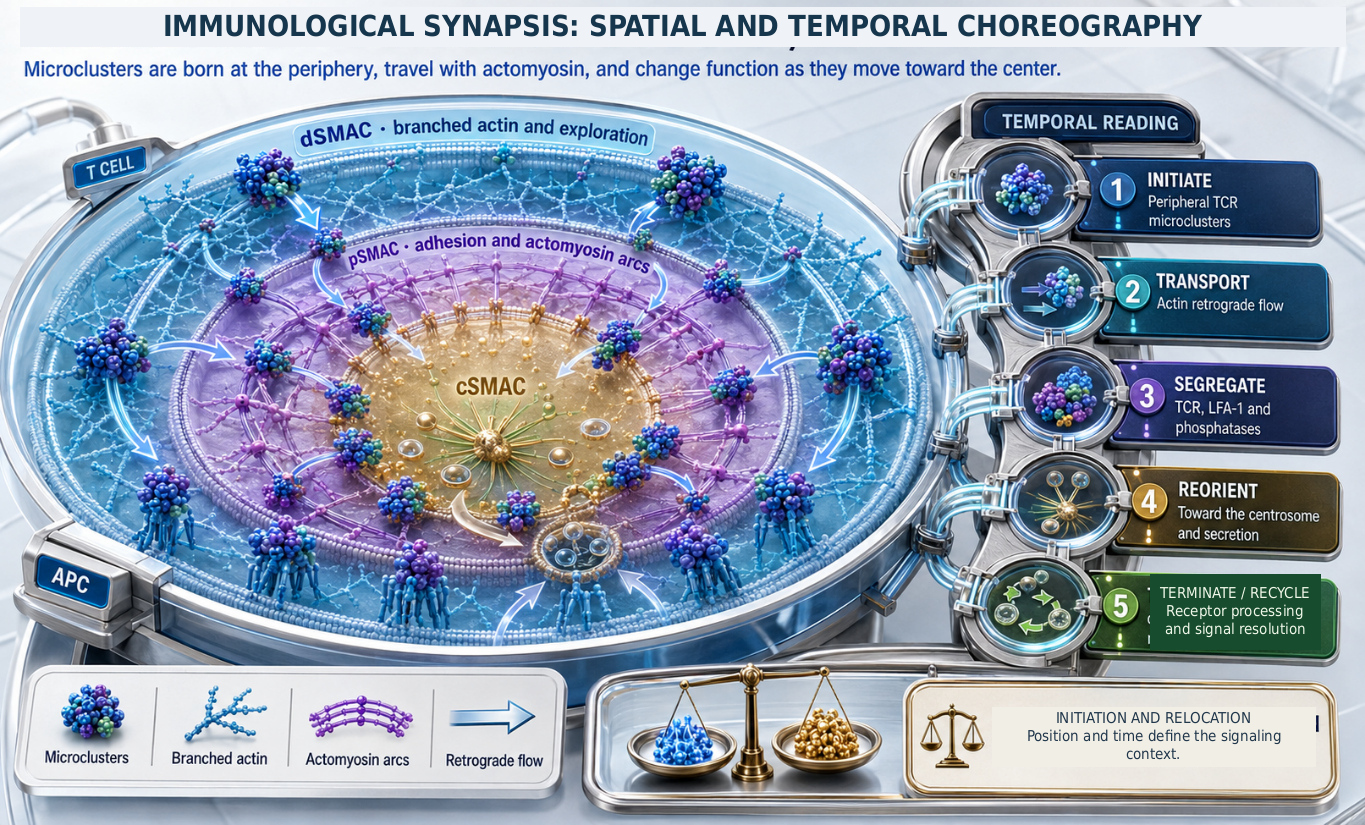
Organization of immune contact and the tumor microenvironment.
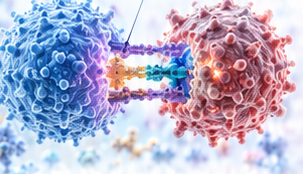
The immune response is built through antigen presentation, activation signals, and cell-to-cell contacts.
This journey explains the immunological synapse, the distribution of membrane components, and the spatial relationships that characterize the tumor microenvironment.
Explore immunity and cancer ↗Shared principles that guide different modalities of study and development.
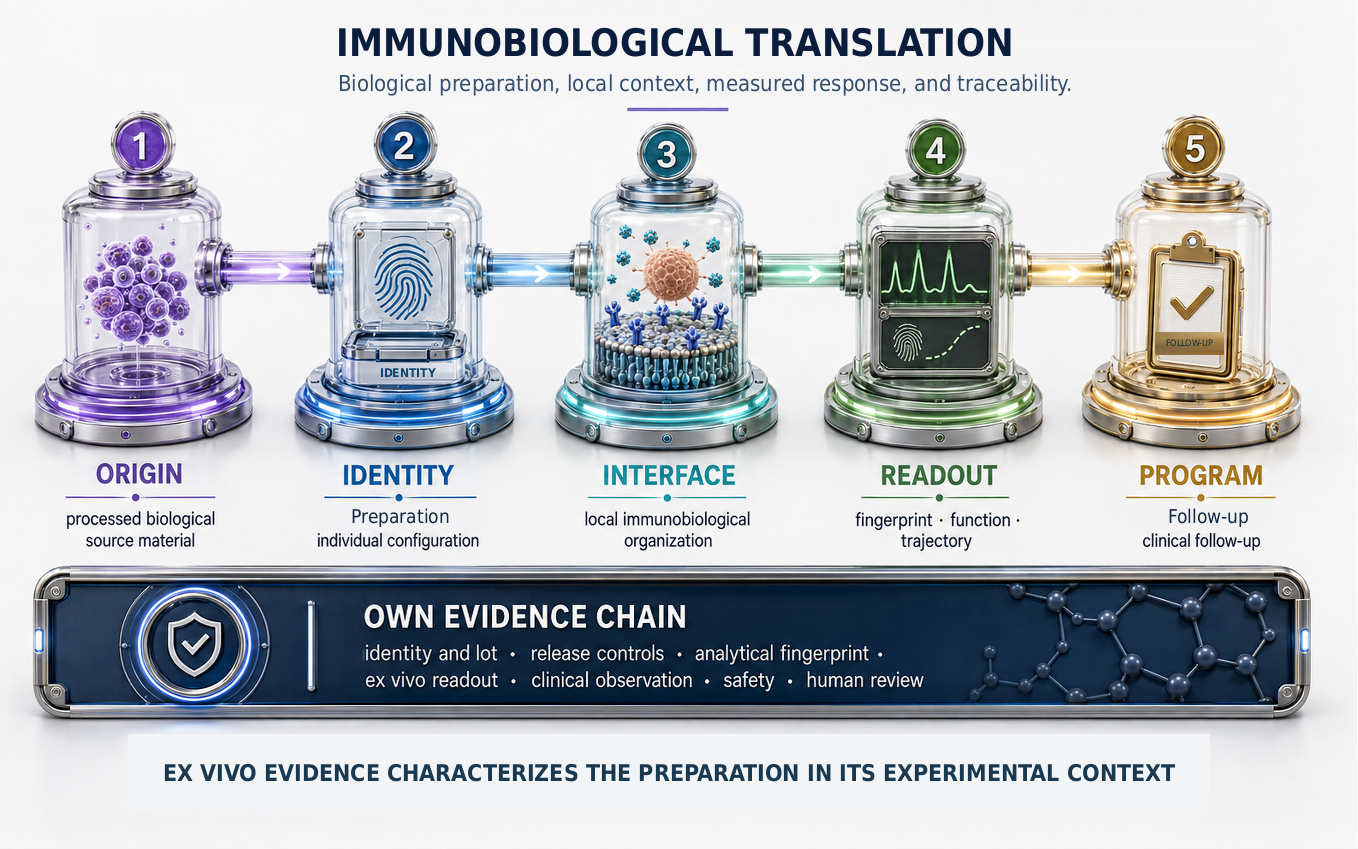
Connects composition, preparation identity, cellular interaction, and functional readout.
Converts organization principles into materials, geometry, contact, and physical performance.
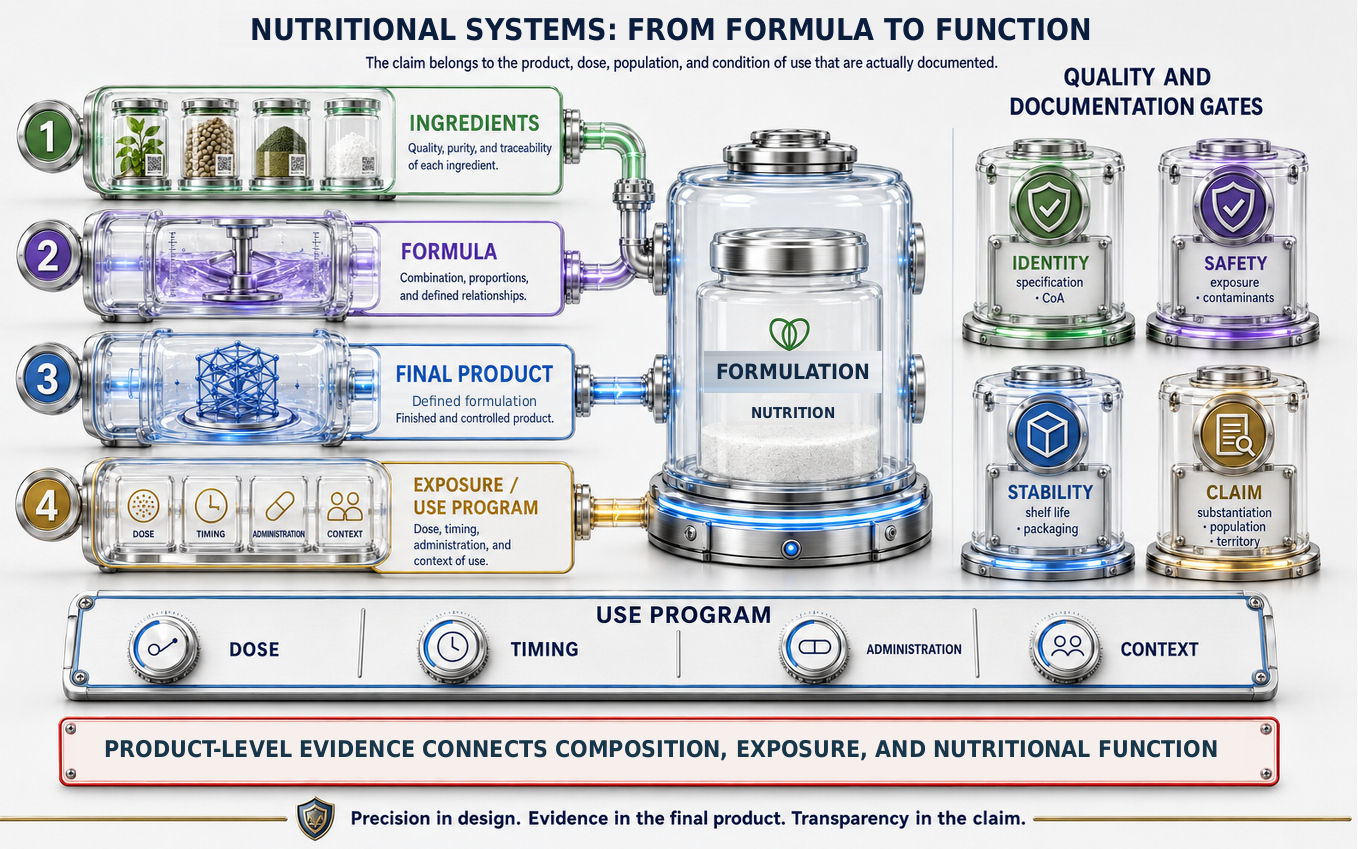
Relates ingredients, formulation, exposure, temporality, and physiological function.
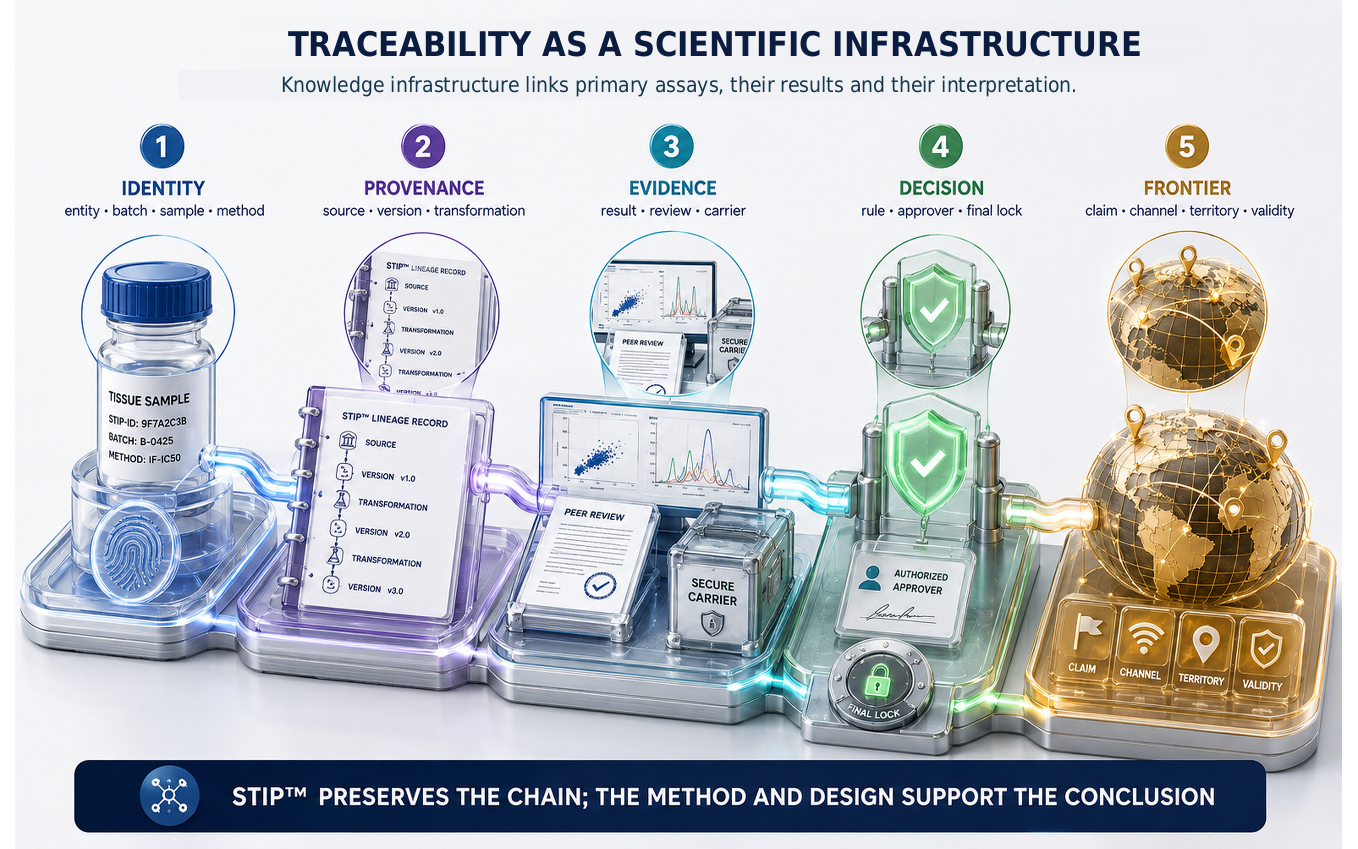
Preserving the context that makes a result interpretable.
Traceability connects sample, method, version, result, and interpretation. It allows reconstructing the provenance of an observation and tracking its relationship with scientific decisions.
The book develops STIP as a structural traceability and integrated profiling infrastructure, and examines new approach methodologies within defined contexts of use.
Learn about methods and traceability →An illustrated journey through the science of microdomains.
An integrated introduction to the relationships between molecular architecture, cellular interfaces, and biological function. From molecular inventory to spatial measurement; from functional trajectories to traceable evidence.
The work offers a progressive reading for students and readers with scientific interest, and deepening routes for researchers, physicians, and bioengineers.
Reading sample in Spanish · Illustrations with original scientific labeling in English.
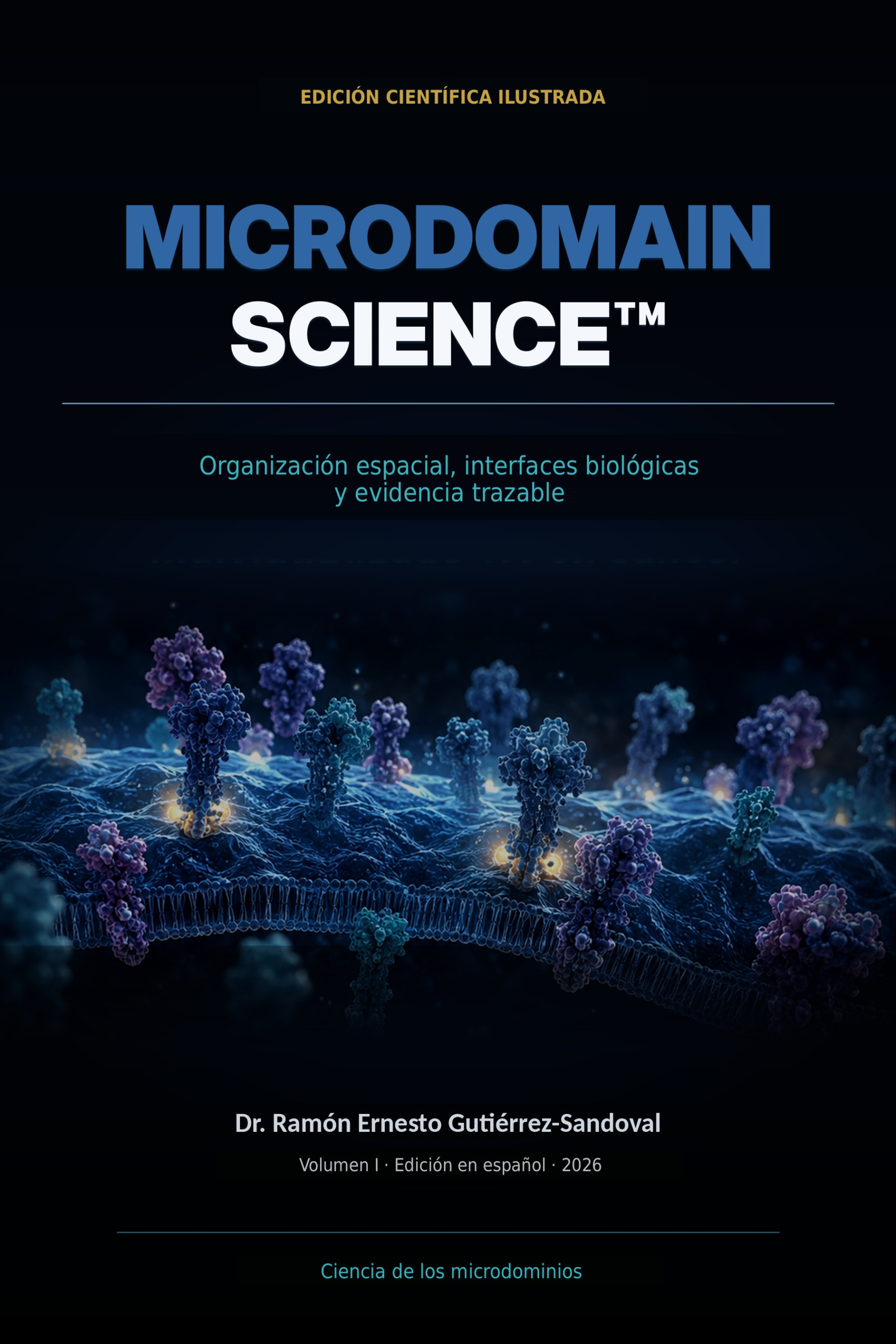
In-depth readings, with the type of study and its contribution identified.
Integrates membrane organization, compartmentalization, and temporal coordination of signals in dendritic cell-mediated immunity.
Characterizes preservation of the protein profile and short-term ex vivo cellular compatibility under defined processing and storage conditions.
Relates biological origin, class of recovered product, characterization, mechanism, and evaluation levels for acellular preparations.
Inquiries about the book, publications, and scientific collaboration.
cso@ogrdalliance.org